

A heavy-duty parts shortage can turn a routine repair into several days of downtime. When a radiator, charge air cooler, AC compressor, or another critical component is unavailable, the problem is no longer limited to the parts counter. It can affect the service schedule, truck availability, and operating costs.
The pandemic years made this especially clear across the heavy-duty aftermarket. Parts departments faced longer lead times, inconsistent inventory, and fewer sourcing options. One positive result was that many fleets, repair shops, and distributors changed the way they manage parts.
The lessons are still useful today. Parts departments do not need to stock every possible component, but they do need better records, backup suppliers, sensible safety stock, and earlier communication with technicians.
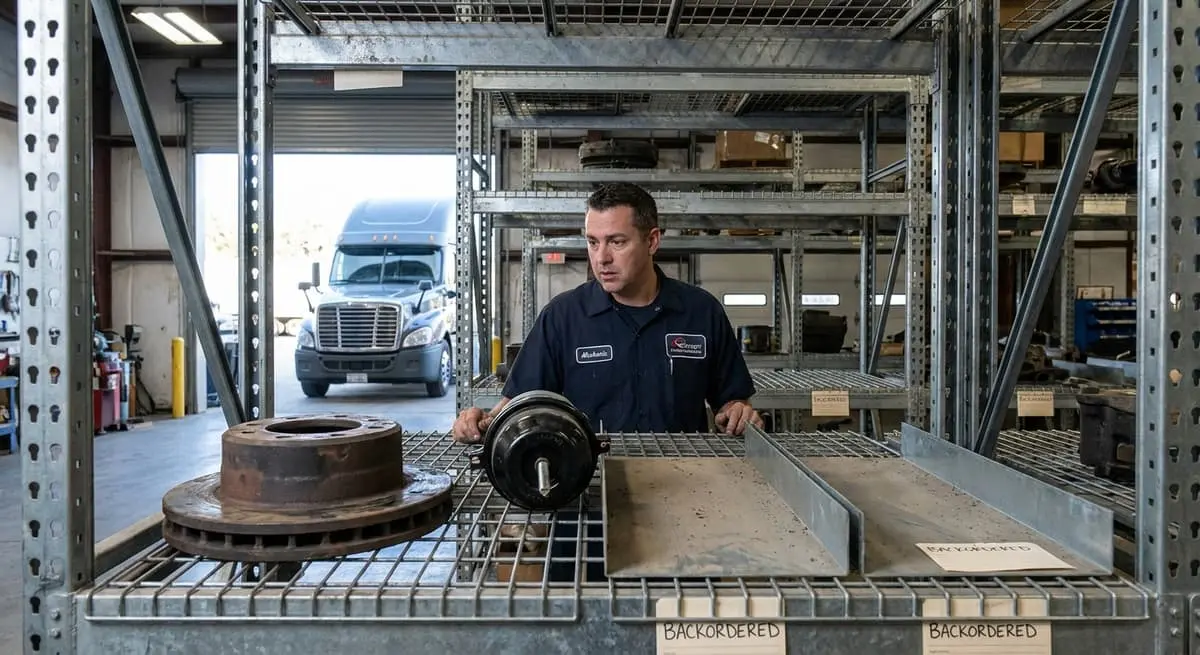
What a Heavy-Duty Parts Shortage Changes for Parts Departments
Just-in-time ordering works best when supply is predictable. A fleet identifies a failed component, places an order, receives the part, and returns the truck to service.
A shortage breaks that sequence. The required part may be unavailable locally, the regular supplier may have a backorder, or the replacement may need to come from another region. Even when stock exists, incomplete fitment information can slow the search.
That is why parts availability should be considered during maintenance planning rather than only after a component fails. The aim is not to carry excessive inventory. It is to know which parts matter most to your fleet and how you will source them when normal availability changes.
Build a Parts Plan Around Fleet History
Every fleet has a different failure pattern. A long-haul operation running similar tractors will have different inventory needs from an independent repair shop working on several truck makes. The best starting point is your own work-order history.
Use Maintenance Records to Set Safety Stock
Review the previous 12 to 18 months of repairs and identify:
- parts that are replaced repeatedly
- failures that cause the longest downtime
- items that frequently require rush shipping
- components shared by several trucks
- parts that have been difficult to obtain
- seasonal items with predictable demand
Cooling and AC components are worth reviewing because failures can put a truck out of service or require immediate repair.
Depending on the vehicles you maintain, this could include truck radiators, charge air coolers, AC driers, reservoir tanks, or AC compressors.
A component used across several trucks and replaced regularly may justify keeping one or two units in stock. A high-cost part used on only one truck may not. Safety stock should come from actual usage rather than a general list of parts that every fleet is told to carry.
Pre-Identify Parts That Do Not Need to Sit on the Shelf
Some critical parts are too large, expensive, or vehicle-specific to keep in inventory.
You can still prepare for those failures.
Record:
- the correct OEM number
- known aftermarket cross-references
- the supplier that normally carries the part
- expected lead time
- important dimensions or connection locations
When the part eventually fails, the parts department already has a starting point. This can be particularly useful for older trucks or less common configurations where identifying the correct replacement may take longer than the repair itself.

Reduce Sourcing Risk Before Parts Become Urgent
One of the clearest lessons from the original parts shortage was the risk of depending on a single vendor.
A supplier that normally has strong inventory can still experience a regional stockout or manufacturer backorder.
Maintain More Than One Supplier Relationship
Parts departments should have secondary sourcing options in place before they need them.
When comparing suppliers, consider:
- current warehouse stock
- shipping location
- normal lead time
- fitment assistance
- warranty terms
- OEM and aftermarket choices
- commercial pricing
For fleets and repair shops in Mississauga and the GTA, location can also affect repair time. A part already available in the region may be more useful during an urgent repair than the same component sitting in a warehouse several days away.
Price still matters, but availability and correct fitment can matter just as much when a truck is already out of service.
Keep Aftermarket Brand Options Open
During a shortage, aftermarket brands can give a parts department another sourcing route when an original component is unavailable.
For example, Quick Fit Parts carries brands including Sanden for AC applications and Cancore for truck cooling components. The important step is confirming the application before substituting a part.
A replacement that looks similar may still differ in dimensions, mounting points, fittings, clutch specifications, or other details.
Related reading: How to Choose the Right Semi-Truck Parts
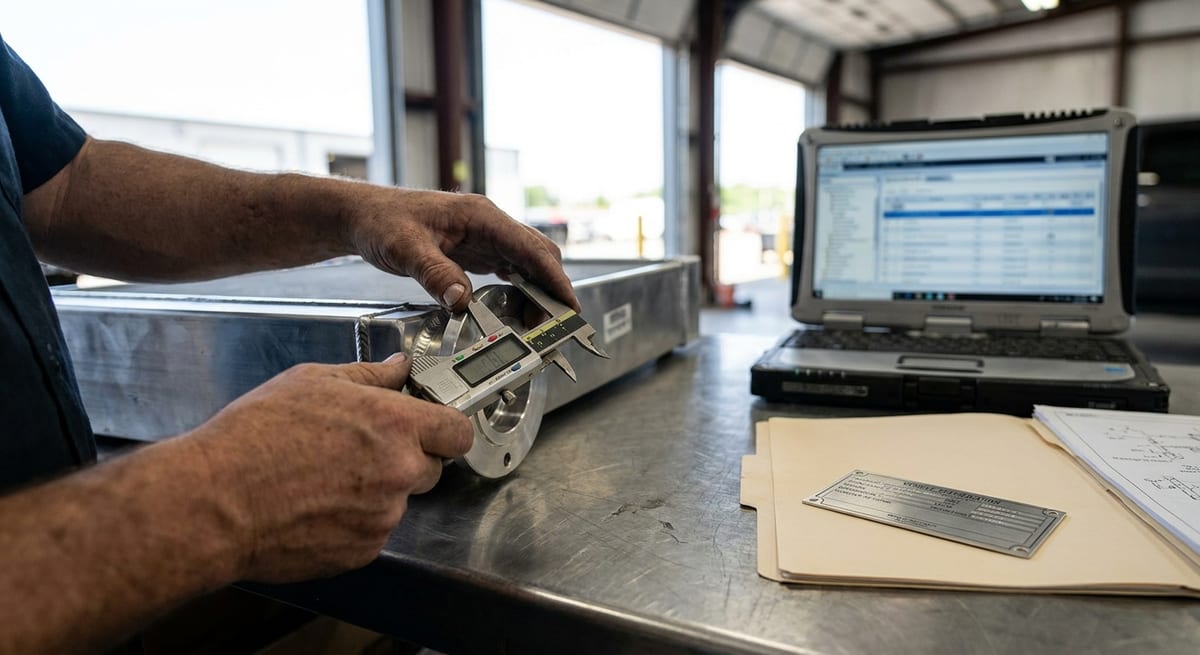
Keep Truck and Fitment Information Easy to Find
Parts availability does not help much if the parts department cannot identify the correct component.
Heavy-duty truck parts often differ according to model year, engine, chassis configuration, and installed equipment.
For each truck, keep a basic parts record containing:
- VIN
- make and model
- model year
- engine
- OEM numbers
- aftermarket cross-reference numbers
- previous replacement parts
- relevant dimensions
- supplier previously used
This is particularly useful when a fleet operates several trucks from the same manufacturer.
For example, a fleet running multiple Freightliner trucks may discover that several vehicles share common cooling or AC components.
The same principle applies to Peterbilt, Volvo, Kenworth, International, Mack, and other commercial truck makes. You can also use the Shop by Truck Make section as a starting point when identifying parts for a particular vehicle platform.
Truck make alone does not confirm fitment, but combining it with the model year, engine, VIN, OEM number, and previous repair history makes sourcing much faster.
Improve Communication Between the Shop and Parts Counter
Inventory planning is only part of shortage preparation.
The parts department also needs early information from technicians and service staff.
Flag Developing Problems Before a Truck Is Down
Technicians may notice warning signs during inspections long before a component fails completely.
Examples include:
- small coolant leaks
- cracked reservoir tanks
- damaged charge air connections
- declining AC performance
- unusual compressor noise
- visible condenser or line damage
If these findings are recorded early, the parts department has time to check inventory, compare suppliers, and confirm fitment before the repair becomes urgent.
A truck showing reduced power, poor fuel economy, low-boost warnings, or hissing under load, for example, may have a developing charge air cooler problem.
Related reading: 7 Warning Signs of a Failing Charge Air Cooler
Review Upcoming Repairs With Parts Staff
A short review of the next day’s scheduled work can prevent avoidable delays.
If a truck is already booked for cooling-system work, the technician and parts department can check likely requirements before the vehicle occupies a service bay.
The same applies when an inspection identifies a radiator leak or other cooling problem. Determining whether the existing unit can be repaired or needs replacement gives the parts counter more time to find the right unit.
Related reading: How to Repair a Truck Radiator: Diagnose, Fix, or Replace
Plan Inventory Around Seasonal Demand
Parts usage changes throughout the year.
In Mississauga and Southern Ontario, AC components naturally receive more attention as temperatures rise. Compressors, condensers, driers, AC lines, and related service parts may move faster during spring and summer.
Cooling-system components can also see greater demand during periods of sustained hot-weather operation.
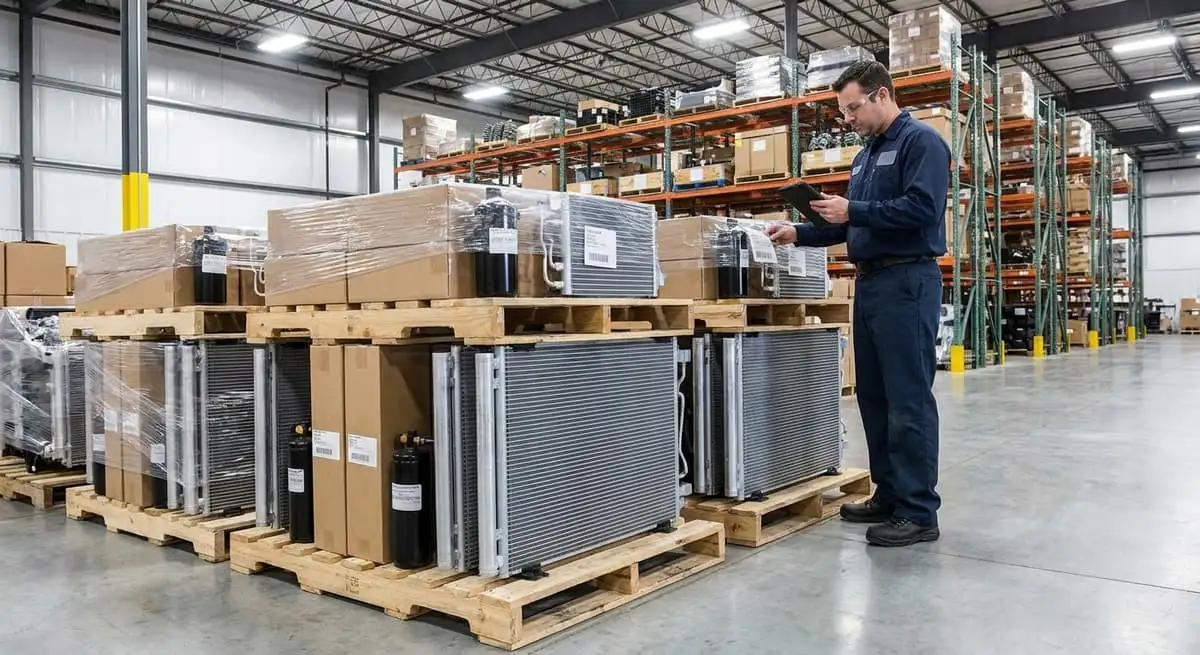
Check Seasonal Parts Before Demand Increases
Review previous work orders before the season begins.
If AC compressors or driers regularly move faster during summer, check supplier availability before demand reaches its peak.
The same rule applies to radiators, charge air coolers, and coolant-system components on trucks with a history of summer cooling problems.
Seasonal planning is not about predicting every failure. It is simply using previous repair history to identify parts that are more likely to be needed at certain times of the year.
Recheck Lead Times During the Year
Lead times are not fixed.
A component that was readily available several months ago may later move to a longer delivery window. Suppliers may change their inventory, part numbers may be superseded, or another aftermarket option may become available.
For important parts, occasionally check:
- current stock
- normal lead time
- alternative suppliers
- replacement or superseded numbers
- aftermarket options
Doing this before a failure gives the parts department more room to respond if availability changes.
What Parts Departments Can Carry Forward
The original heavy-duty parts shortage taught the aftermarket more than simply “keep more inventory.”
Parts departments learned that preparation comes from several smaller decisions:
- stock frequently used parts based on repair history
- pre-identify expensive or uncommon components
- maintain more than one supplier
- keep accurate fitment records
- communicate with technicians before failures become urgent
- review seasonal demand
- check lead times before a truck needs the part
Those habits remain useful even when supply conditions are normal.
For a parts department, the goal is not to eliminate every backorder. It is to prevent a sourcing problem from becoming a much longer period of truck downtime.
Quick Fit Parts is based in Mississauga, Ontario, supplying heavy-duty and semi-truck parts for fleets, repair shops, and owner-operators, with a particular range of cooling and AC components.
If you need to identify a specific replacement, contact Quick Fit Parts with the truck make, model, year, VIN, OEM number, or available part dimensions.
Frequently Asked Questions
How do I decide which heavy-duty truck parts are worth keeping as safety stock?
Start with your fleet’s repair history rather than a generic parts list. Parts that fail repeatedly, fit several trucks, have long lead times, or can keep a vehicle out of service for an extended period are stronger candidates for safety stock. High-cost or highly vehicle-specific components may be better pre-identified with confirmed part numbers and suppliers instead of being physically stocked.
What should I do if an OEM truck part is backordered?
First confirm the OEM number, truck application, and important fitment specifications. Then check whether a compatible aftermarket replacement is available from another supplier. Do not substitute a component based only on appearance or a similar product description, since mounting points, dimensions, fittings, electrical specifications, and other details may differ.
How can a fleet prepare for a shortage without carrying too much inventory?
Separate critical parts into two groups: parts worth stocking and parts worth pre-identifying. Frequently used components can be kept on hand, while expensive or uncommon parts can have their part numbers, fitment details, suppliers, and typical lead times recorded in advance. This reduces unnecessary inventory while shortening the sourcing process when a failure occurs.
How often should parts departments review supplier lead times?
Critical and frequently replaced components should be reviewed periodically, particularly before seasonal demand increases or when suppliers report availability changes. Fleets operating older or less common truck configurations may need to review sourcing options more often because replacement parts can become harder to find over time.
What information should I give a supplier to locate the correct truck part faster?
Provide as much vehicle and component information as possible, including the VIN, truck make, model, year, engine, OEM part number, and previous replacement number. For cooling and AC components, dimensions, connection locations, mounting configuration, and compressor specifications can also help confirm fitment.
Is it better to buy truck parts locally during a supply shortage?
Local stock can reduce shipping time when a truck is already out of service, but location should not be the only consideration. The correct fitment, warranty, part quality, availability, and total delivery time should all be checked before ordering. For fleets in Mississauga and the GTA, having access to regional inventory can be particularly useful for urgent repairs.
Can parts shortages affect preventive maintenance schedules?
Yes. If a component with a long or uncertain lead time is showing signs of failure, waiting until it fails completely may result in additional downtime. Parts departments and technicians can use inspections and maintenance records to identify developing problems and source replacement parts before the truck needs an urgent repair.
Write A Comment