

The Volvo VNR Electric is a battery-electric Class 8 truck designed mainly for local and regional commercial routes.
For fleets around Mississauga and the GTA, this can make sense when daily mileage is predictable and trucks regularly return to the same yard for charging. A truck running scheduled routes between Mississauga, Brampton, Vaughan, Toronto, and nearby distribution centres is easier to plan around than a tractor spending several days on unpredictable long-haul routes.
The current VNR Electric offers up to 565 kWh of total battery capacity and an advertised range of up to 275 miles, depending on configuration and operating conditions.
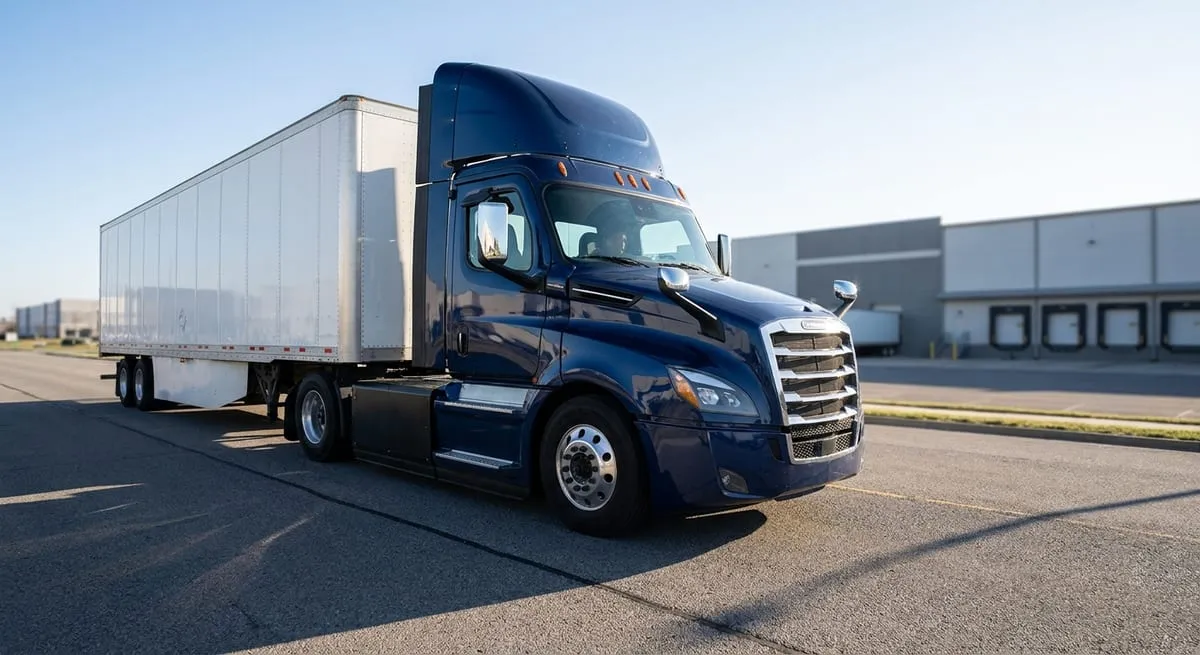
What Is the Volvo VNR Electric?
The VNR Electric replaces the conventional diesel drivetrain with an electric driveline powered by onboard batteries.
Volvo designed it primarily for:
Local and regional distribution
Pickup and delivery
Food and beverage transportation
Drayage
Return-to-base fleet operations
Fleet operators already running Volvo truck parts applications should note that the electric VNR has different drivetrain and thermal-management requirements from conventional Volvo trucks.
Volvo VNR Electric Range
The six-battery configuration offers up to 565 kWh of total capacity, with 452 kWh of usable energy and an advertised range of up to 275 miles.
Actual range varies based on:
Payload
Traffic and highway speed
Weather
HVAC use
Route conditions
Driver behaviour
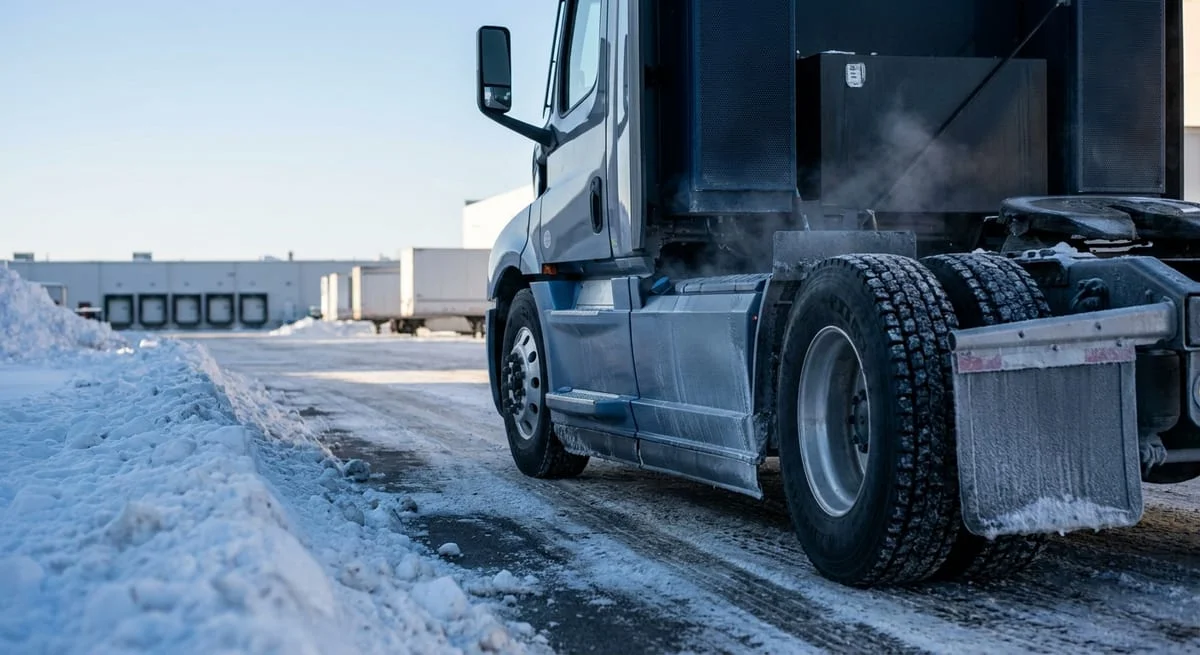
What About Ontario Winters?
Cold weather can increase energy demand, particularly when cabin heating and battery thermal management are working harder.
For a Mississauga fleet, it is better to compare the truck against real dispatch and GPS data instead of planning around the maximum advertised range.
How Long Does the Volvo VNR Electric Take to Charge?
The VNR Electric supports DC charging at up to 250 kW.
Depending on configuration:
Four batteries can reach around 80% charge in approximately 60 minutes
Six batteries can reach around 80% in approximately 90 minutes
Charging Has to Fit the Route
Charging speed is only one part of the decision.
Regional fleets may be able to charge:
Overnight at the yard
Between shifts
During loading or unloading
During planned downtime
A truck that returns to a Mississauga depot every evening is generally easier to electrify than one with constantly changing destinations.
Regenerative Braking
The VNR Electric uses regenerative braking to recover energy while slowing down.
This is particularly useful on regional routes with repeated acceleration and braking, such as delivery runs through GTA traffic, industrial areas, and highway interchanges.
Driver training can also help operators use regenerative braking more effectively and manage available range.
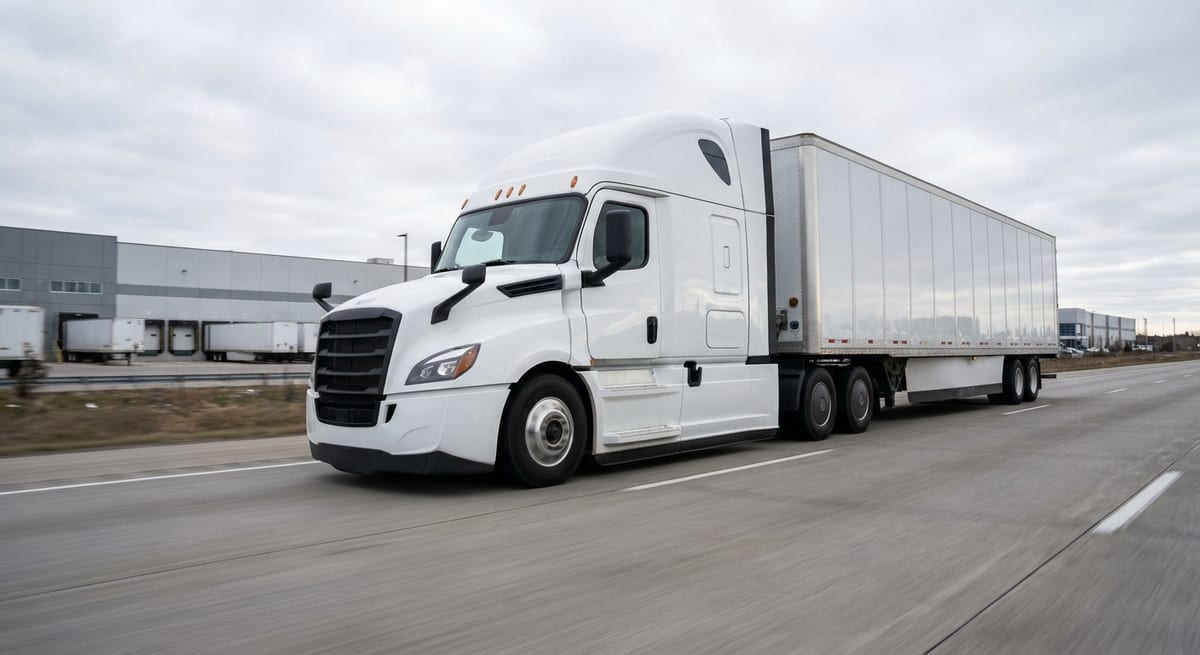
Is the Volvo VNR Electric Suitable for GTA Fleets?
It can be a strong fit when:
Daily mileage is predictable
The truck returns to base regularly
Depot charging is available
Routes remain mostly regional
There is enough scheduled downtime for charging
It may be more difficult for fleets with unpredictable long-distance routes, limited charging infrastructure, or trucks that operate almost continuously.
The route should fit the truck, not the other way around.
What Maintenance Does a VNR Electric Still Need?
Electric trucks remove many traditional diesel maintenance items, but they are not maintenance-free.
Important systems still include:
Battery thermal management
Cooling
HVAC
Brakes
Tires
Suspension
Steering
Electrical systems
HVAC Components
Cabin heating and cooling remain important, particularly because HVAC use can affect battery range.
Fleets operating a mixture of electric and conventional Volvo trucks may still regularly service components such as:
Always verify compatibility using the VIN, model year, OEM number, and truck configuration. A part used on a diesel VNR should not automatically be assumed to fit the VNR Electric.
Cooling Still Matters on Electric Trucks
Electric trucks still depend on thermal management to keep batteries and electrical components within their correct operating temperatures.
For mixed fleets with conventional Volvo trucks, cooling-system repairs may also involve a Volvo Radiator or Volvo Reservoir Tank.
If another truck in your fleet is losing coolant or overheating, see How to Repair a Truck Radiator: Diagnose, Fix, or Replace.
Volvo VNR vs. Volvo VNL
The VNR and VNL are designed for different types of work.
Volvo VNR
The VNR is mainly designed for:
Regional freight
Local deliveries
Frequent stops
Urban operation
Distribution routes
Volvo VNL
The VNL is more closely associated with:
Long-haul freight
Highway operation
Longer trips
Sleeper applications
In simple terms, the VNR is Volvo’s regional platform, while the VNL is primarily built for longer highway operations.
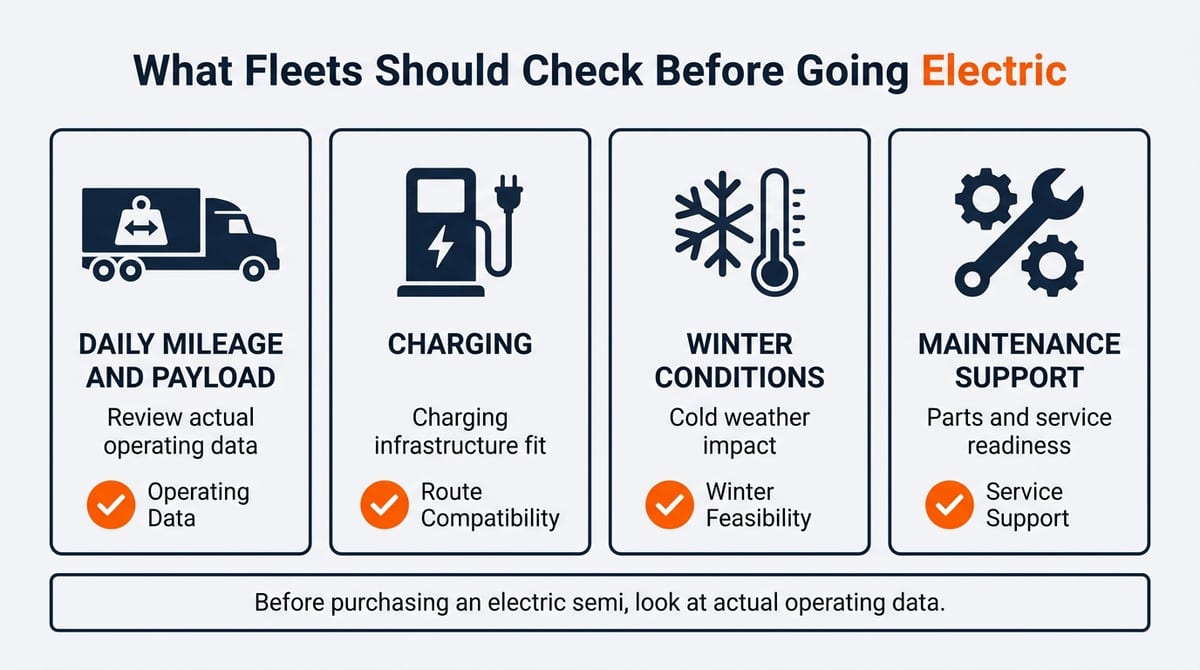
What Should Fleets Check Before Going Electric?
Before purchasing an electric semi, look at actual operating data.
Daily Mileage and Payload
Review real route mileage and typical loads rather than relying only on manufacturer range figures.
Charging
Know where the truck will charge, how long it normally stays parked, and whether the site’s electrical infrastructure can support the required charger.
Winter Conditions
Ontario winter temperatures can affect energy consumption, so route planning should leave enough range margin for colder conditions.
Maintenance Support
Electric powertrains change maintenance needs, but fleets still need reliable support for HVAC, cooling, brakes, tires, suspension, and electrical systems.
For help identifying replacement components, read How to Choose Replacement Parts: A Practical Guide.
Frequently Asked Questions
Is the Volvo VNR electric?
Yes. The Volvo VNR Electric is a fully battery-electric commercial truck designed mainly for local and regional operations.
Does Volvo have an electric semi truck?
Yes. The Volvo VNR Electric is available as a Class 8 battery-electric tractor for applications such as regional distribution, delivery, and drayage.
What is the difference between a Volvo VNL and VNR?
The Volvo VNR is primarily designed for regional and urban trucking. The Volvo VNL is designed more for long-haul and highway operations.
Is there an all-electric semi truck available?
Yes. Battery-electric Class 8 trucks are commercially available, and the Volvo VNR Electric is one example.
How far can a Volvo VNR Electric go on one charge?
Volvo advertises up to 275 miles of range for certain six-battery configurations. Actual range depends on payload, temperature, speed, HVAC use, traffic, and route conditions.
How long does it take to charge a Volvo VNR Electric?
With suitable 250 kW DC charging, a four-battery configuration can reach about 80% in 60 minutes, while a six-battery configuration takes approximately 90 minutes.
Is the Volvo VNR Electric good for long-haul trucking?
It is primarily designed for local and regional work. Fleets with predictable routes and regular depot returns are generally better suited to the VNR Electric than traditional long-haul operations.
Does the Volvo VNR Electric still need maintenance?
Yes. Electric trucks still require regular inspections and service for cooling, HVAC, batteries, electrical systems, brakes, tires, suspension, and steering.

Write A Comment