

The trucking industry plays a critical role in the U.S. supply chain. This sector adapts constantly to meet shifting demands, from changing freight volumes and e-commerce growth to new technologies and evolving fleet requirements. For truck owners and fleet operators, keeping vehicles reliable is just as important as adapting to these broader industry changes. Access to dependable truck parts can help support timely repairs, reduce downtime, and keep commercial vehicles operating efficiently.
Freight volumes, e-commerce growth, workforce challenges, and operating costs all drive change. Meanwhile, technology, electrification, and environmental regulations are reshaping how fleets operate. These changes affect everything from vehicle selection and maintenance schedules to daily operating costs.
Why the Trucking Industry Remains Important
Commercial fleets serve as the backbone of the American economy, moving a vast majority of domestic freight. Manufacturing, retail, and e-commerce all rely heavily on this network to move goods efficiently. Without dependable transportation, factory production stalls and store shelves sit empty.
As consumers buy more goods online, shippers need dependable carriers to fulfill expectations. This steady demand is likely to keep freight transportation at the center of economic activity.
The Growing Importance of Truck Maintenance
As overhead costs rise and technology becomes more complex, maintaining vehicles properly is a core business strategy. Preventive maintenance catches small issues early and reduces the likelihood of unexpected highway breakdowns. For example, addressing cooling system problems early and replacing a cracked radiator or damaged reservoir tank can help prevent coolant loss, severe engine overheating, and more costly repairs.
Keeping up with service intervals also improves vehicle uptime and extends the working life of the truck.
Proper maintenance supports fleets by reducing breakdown risks, controlling repair costs, and extending vehicle lifespan.
- It helps prevent minor wear from developing into major mechanical problems.
- It supports safer vehicle operation.
- It can lower the total cost of ownership over time.
Key Trends Shaping the Future of Trucking
E-Commerce and Freight Demand
The continued growth of online shopping is keeping freight volumes high across the transportation network. Consumers expect fast, predictable delivery, putting pressure on carriers to move goods efficiently. To meet these tight turnaround times, transportation companies often need to adjust their routes.
Route structures and fleet requirements can vary depending on the type of freight and operation. Regional distribution centers require constant restocking, which influences the type of vehicles purchased and daily dispatch schedules for many fleets.
Driver Shortages and Workforce Challenges
The trucking industry continues to face a significant shortage of qualified drivers. Recruitment and retention are persistent hurdles for logistics companies. Long hours, time away from home, and difficult working conditions contribute to higher turnover rates.
A constrained labor pool directly limits fleet capacity. Fewer available drivers impact the ability to handle growing shipping needs, making workforce retention a top priority for fleet managers.
Rising Operating and Maintenance Costs
Fleet operators constantly balance climbing expenses. Fuel and labor take up a large portion of the budget, while insurance premiums and repair bills add up fast. Controlling overhead remains a daily priority for survival.
Proactive maintenance and better cost planning can help fleet operators manage unexpected expenses. Consistent service schedules and proactive budgeting mitigate the financial impact of mechanical failures and keep vehicles generating revenue.
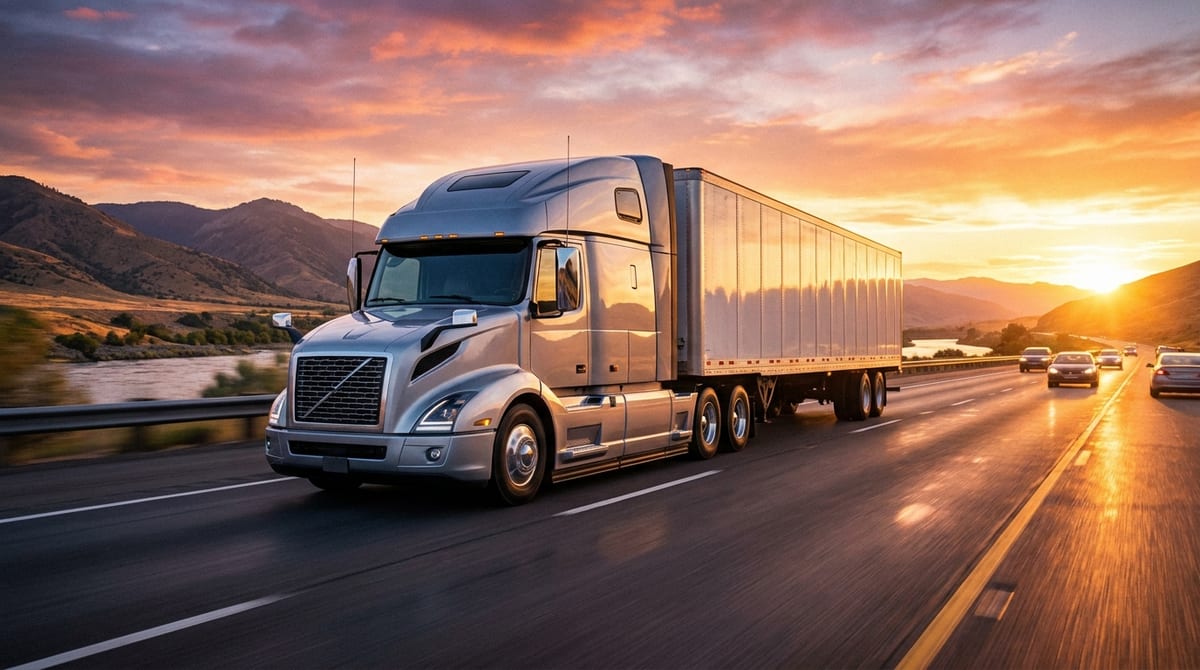
Modern commercial truck driving on a highway
Technology and Fleet Management
Modern trucking technology offers practical ways to improve operations. Telematics and GPS tracking provide real-time visibility into vehicle locations and driver behavior. Predictive maintenance alerts mechanics to potential component failures before they happen. Regular inspection of critical components, including the radiator and charge air cooler, can also help fleets identify cooling and airflow issues before they affect vehicle performance.
Fleet management software simplifies routing, saving fuel and time. As automation and data-driven tools evolve, managers gain better oversight of vehicle health, which can help them make more informed decisions about dispatching and maintenance.
Electrification and Alternative Fuels
Electric trucks and alternative-fuel vehicles offer lower-emission technologies for hauling freight. These newer powertrains present opportunities to potentially reduce fuel consumption over time. However, charging infrastructure and upfront vehicle costs remain considerations for widespread adoption.
Adoption is likely to vary by application, with electric vehicles potentially gaining traction sooner in shorter-distance operations than in heavy-duty long-haul trucking. Regardless of the timeline, alternative powertrains are expected to play an increasingly important role in the trucking industry.
Environmental Regulations
Government agencies continue to focus on commercial vehicle emissions. Evolving emissions standards are pushing manufacturers and fleet operators to consider cleaner technologies and compliant equipment. Fleets must plan for these regulatory shifts to stay compliant.
Older trucks may require additional upgrades or emissions-related equipment to meet applicable requirements. Preparing early protects the company’s bottom line and supports legal operation.
Why Reliable Truck Parts Matter for Fleet Operations
Access to dependable replacement components directly impacts shop efficiency. Mechanics need parts that fit correctly the first time to complete repairs quickly. Reliable replacement components can also reduce repeat repairs and unnecessary shop visits, helping keep commercial vehicles operational.
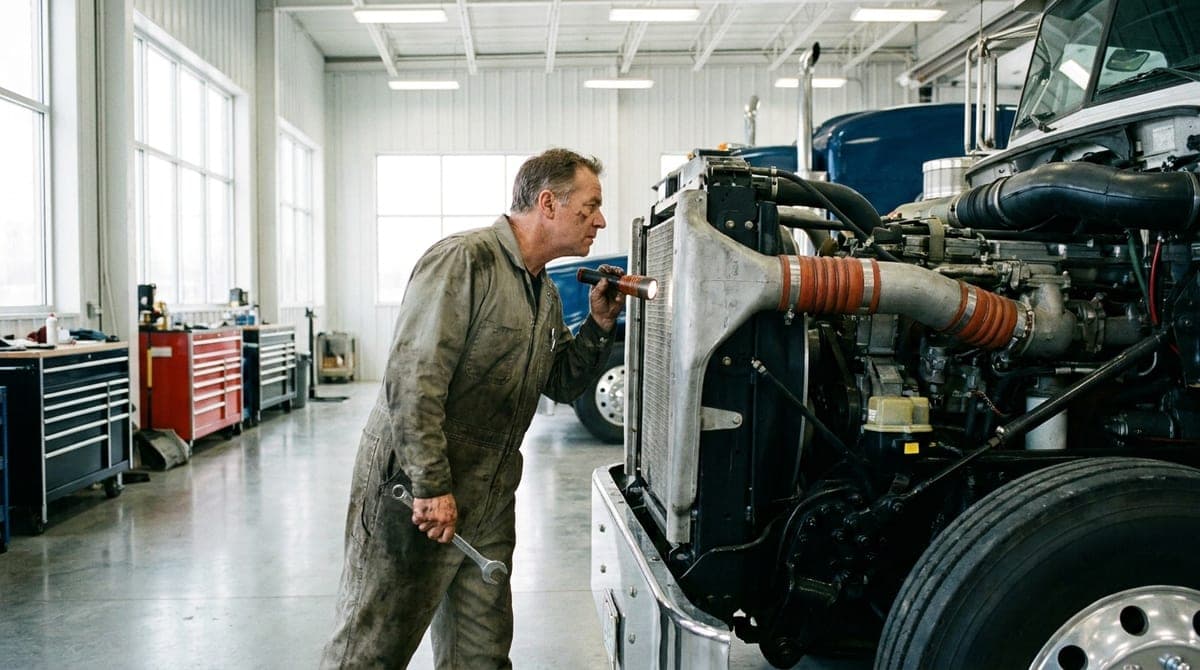
Mechanic inspecting a commercial truck engine
What the Future Means for Truck Owners and Fleet Operators
These industry trends have practical, day-to-day impacts on operators. Planning for higher operating costs, adopting new technologies, and maintaining regulatory compliance are essential for overall fleet efficiency.
Catching problems early and choosing the correct replacement components can save money over time. A well-maintained cooling system, for example, can help prevent overheating and costly repairs.
Adapting to these shifts will help businesses keep their vehicles in reliable condition and support long-term profitability.
Frequently Asked Questions
What is the future of the trucking industry?
The industry is expected to rely heavily on new technology, data-driven fleet management, and alternative powertrains. Fleets will also need to navigate ongoing workforce challenges and evolving emissions regulations.
Is trucking a growing industry?
Freight demand is expected to remain important, supported in part by e-commerce and continued demand for the movement of goods.
What are the biggest challenges facing truckers?
The main issues include driver shortages, rising operating costs, maintenance, regulatory requirements, and sourcing reliable replacement parts.
How will technology affect trucking?
Software can streamline routing and dispatching. Predictive maintenance uses vehicle data and telematics to help mechanics address potential issues before they cause breakdowns, while GPS tracking improves delivery accuracy.
Why is preventive maintenance important?
Preventive maintenance can identify problems earlier and reduce unexpected repairs. Regular service supports vehicle safety and can extend the working life of the truck.
Final Thoughts
Shifting consumer demands, workforce challenges, and tighter budgets require creative solutions. New technology and evolving regulations will guide business decisions for years to come. Through all of this, a practical connection remains between technology, operating costs, maintenance, and fleet efficiency.
Reliable maintenance and the right replacement parts can help fleets reduce downtime and keep vehicles operating efficiently. Choosing the right components and maintaining them properly can make a meaningful difference in long-term fleet performance.
Write A Comment