
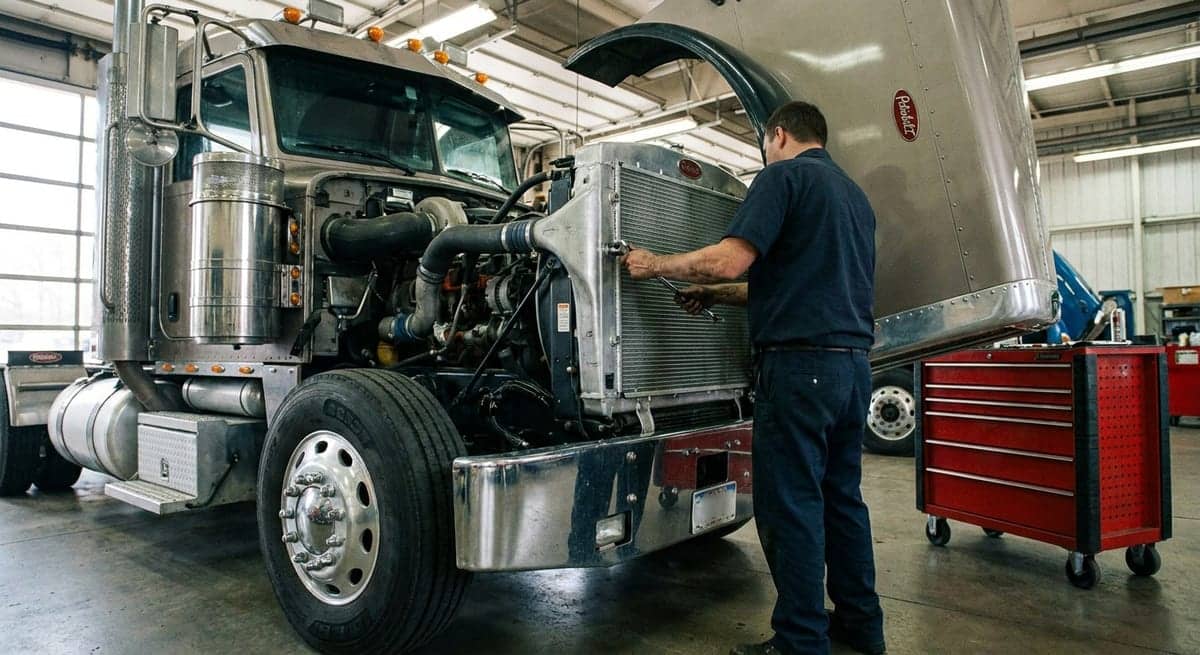
A radiator problem can quickly turn into a major headache for heavy-duty truck owners. When the cooling system fails, the result is often higher engine temperatures, unexpected downtime, and expensive repairs.
However, a damaged truck radiator does not always mean you need an immediate replacement. Some issues can be repaired, while others require installing a new unit to prevent future failures.
The key is proper diagnosis.
Before removing the radiator or ordering a replacement, you need to understand what caused the problem, whether the damage can be repaired, and when replacement is the smarter long-term solution.
This guide explains how to identify common radiator problems, what repairs are possible, and how to decide when it is time for a new truck radiator.
How Does a Heavy-Duty Truck Radiator Work?
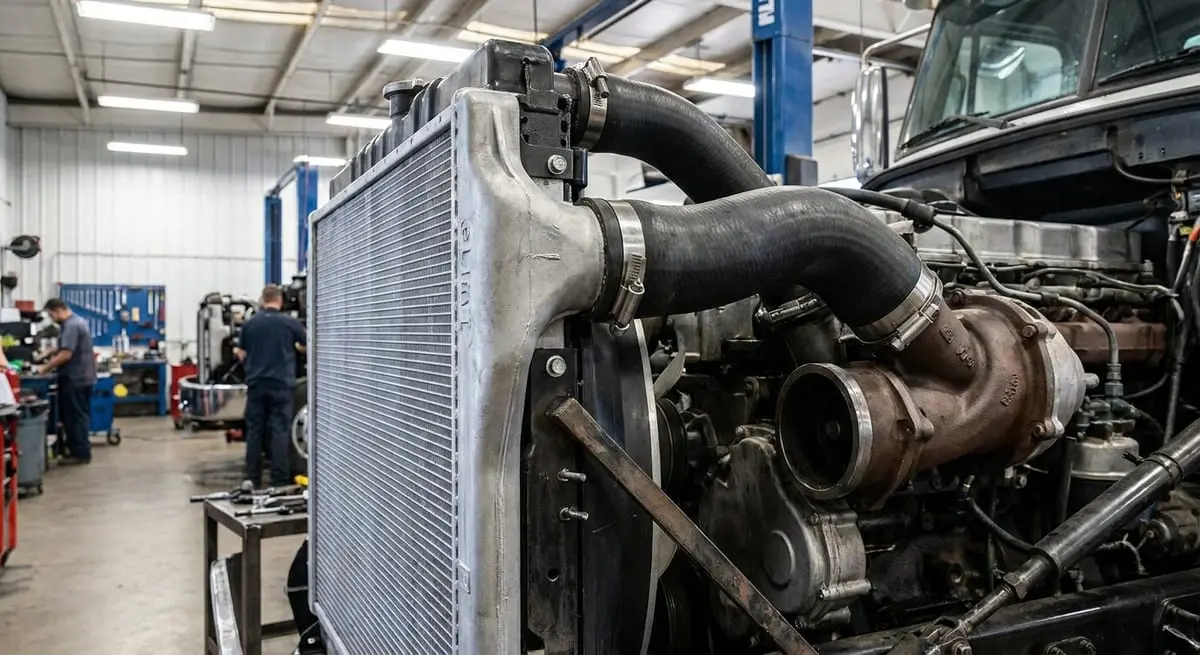
The radiator is one of the most important parts of a truck’s cooling system. Its job is to remove excess heat created during engine operation and keep the engine within a safe operating temperature range.
As the engine runs, coolant absorbs heat from the engine block and circulates through the cooling system. The hot coolant then enters the radiator, where heat is released through the radiator core and fins as air moves across the surface.
The cooled coolant returns to the engine, and the process continues.
Heavy-duty trucks place extreme demands on their cooling systems. Long-distance hauling, heavy loads, steep grades, and high operating temperatures all increase the importance of having a properly functioning radiator.
A radiator that cannot remove heat efficiently can lead to:
- Engine overheating.
- Reduced performance.
- Increased component wear.
- Unexpected roadside breakdowns.
Common Signs Your Truck Radiator Has a Problem
Identifying radiator problems early can help prevent expensive engine damage. Some warning signs are easy to notice, while others require closer inspection.
Coolant Leaks Under the Truck
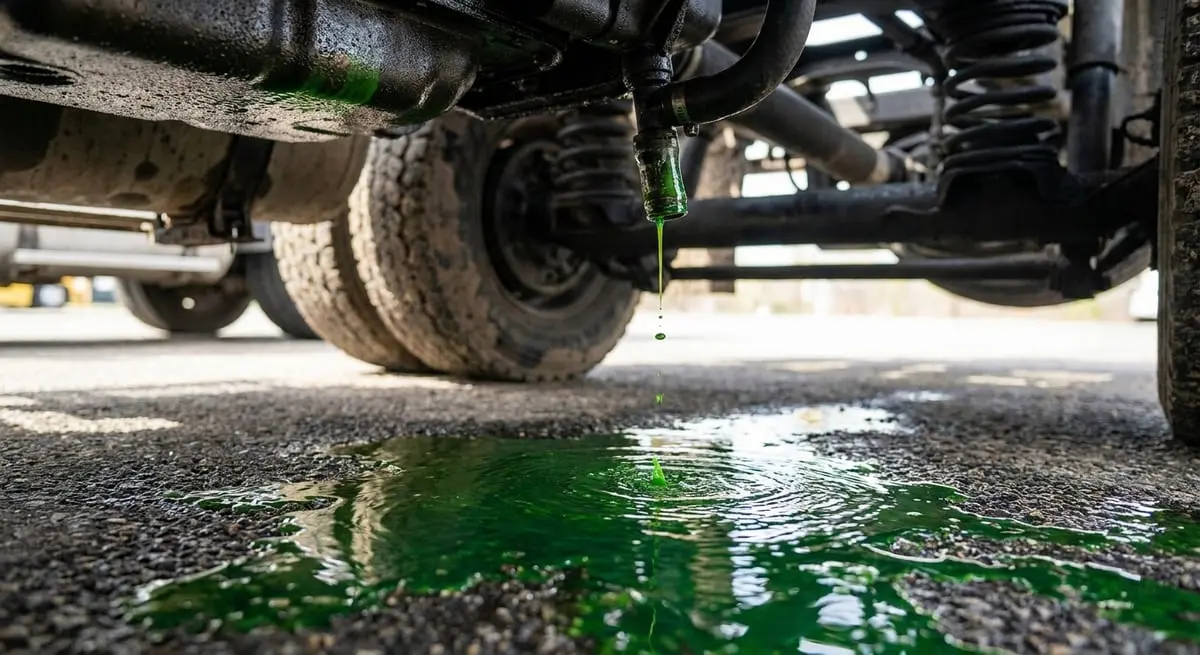
A coolant leak is one of the most common signs of a radiator problem.
You may notice:
- Green, orange, pink, or yellow fluid under the truck.
- Low coolant levels.
- Dried coolant residue around the radiator.
- A sweet coolant smell after driving.
The leak may come from several areas, including:
- Damaged radiator tanks.
- Cracked seams.
- Failed seals.
- Damaged radiator tubes.
- Loose hose connections.
Keep in mind that coolant does not always drip directly below the damaged area. Fluid can travel along brackets, hoses, or frame components before reaching the ground.
Before replacing the radiator, inspect nearby components such as hoses, clamps, and the water pump to confirm the actual source of the leak.
Engine Overheating
An overheating engine does not automatically mean the radiator has failed.
Several cooling system issues can create similar symptoms, including:
- Low coolant levels.
- A failing thermostat.
- A damaged water pump.
- A faulty fan clutch.
- Restricted airflow.
- A clogged radiator.
If the temperature gauge rises above normal operating levels, the first step is diagnosis.
Replacing the radiator without confirming the cause may not solve the problem if another component is responsible.
Damaged or Blocked Radiator Fins
The radiator fins play a major role in transferring heat from the coolant into the surrounding air.
Over time, fins can become damaged by:
- Road debris.
- Dirt buildup.
- Rocks.
- Insects.
- Improper cleaning methods.
Bent or blocked fins reduce airflow through the radiator and can lower cooling performance, especially during heavy hauling or slow-speed operation.
Minor fin damage can sometimes be corrected using a fin comb. However, severely damaged areas may require professional evaluation.
Corrosion and Internal Blockages
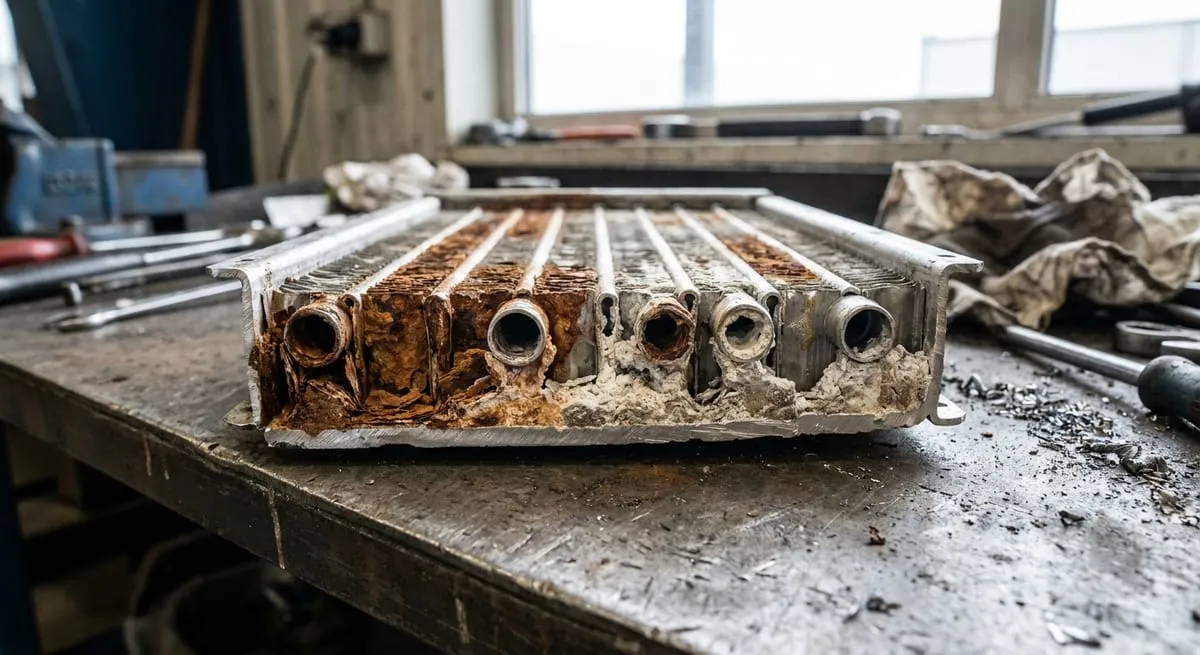
Heavy-duty cooling systems depend on clean coolant and proper maintenance. Over time, neglected coolant can lead to rust, scale buildup, and internal corrosion.
Signs of internal radiator problems may include:
- Rust-colored coolant.
- Reduced cooling performance.
- Repeated overheating.
- Restricted coolant flow.
Internal corrosion weakens the radiator structure and can eventually create leaks.
Once corrosion affects a large portion of the radiator core, repairs are often temporary. In many cases, replacement provides a more reliable solution.
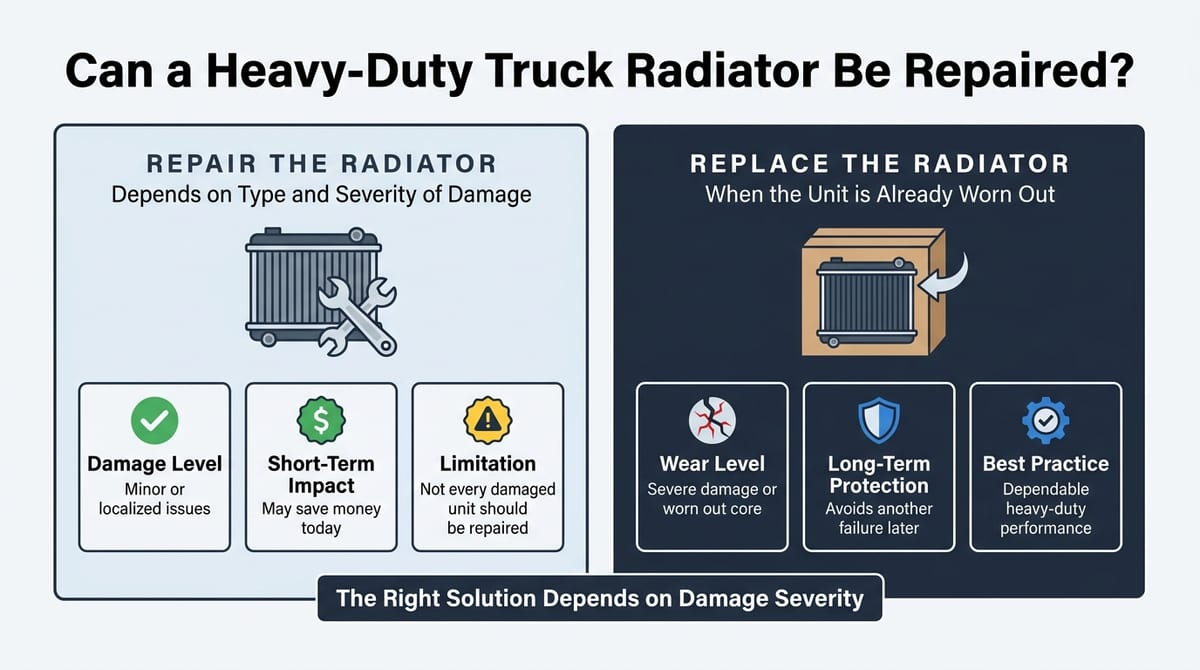
Can a Heavy-Duty Truck Radiator Be Repaired?
Yes, some radiator problems can be repaired. However, the right solution depends on the type and severity of the damage. Not every damaged radiator should be repaired. A quick fix may save money today but create another failure later if the unit is already worn out.
Problems That May Be Repairable
Some minor issues may be corrected by a qualified radiator professional, including:
- Loose hose connections.
- Damaged clamps.
- Minor external damage.
- Small areas of bent fins.
- Certain tube leaks in repairable radiator designs.
The repair method depends on the radiator material and construction.
Older copper and brass radiators may allow more repair options compared with modern aluminum radiators with plastic tanks.
Problems That Usually Require Replacement
A replacement is often the better option when the radiator has:
- Cracked plastic tanks.
- Severe internal corrosion.
- Multiple core leaks.
- Extensive physical damage.
- Repeated previous repairs.
- Major internal blockage.
Modern heavy-duty truck radiators are designed for demanding operating conditions. A radiator that has already lost structural strength may not be reliable after repair.
For commercial trucks, preventing future downtime is often more important than saving money on a temporary repair.
How to Diagnose a Truck Radiator Problem Before Replacing It
Before purchasing a replacement radiator, follow a proper inspection process. Correct diagnosis prevents unnecessary replacement and helps identify the actual cause of cooling problems.
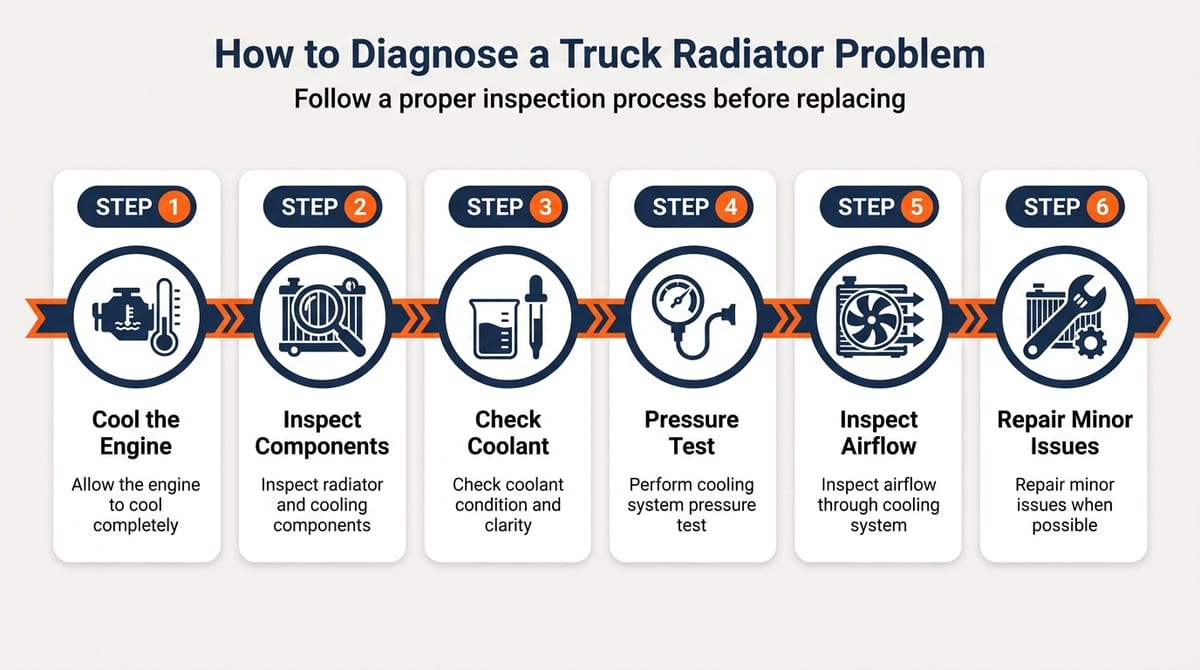
Step 1: Allow the Engine to Cool Completely
Safety comes first when working on any cooling system.
Never remove a radiator cap while the engine is hot.
A pressurized cooling system can release boiling coolant and steam, causing serious burns.
Before inspection:
- Park the truck safely.
- Turn off the engine.
- Allow the cooling system to cool completely.
Only begin checking the radiator once the system is no longer under pressure.
Step 2: Inspect the Radiator and Cooling Components
Use a flashlight to inspect the radiator carefully.
Look for:
- Wet areas.
- Coolant stains.
- Cracks.
- Damaged tanks.
- Loose connections.
- Hose deterioration.
Also inspect related cooling components, including the coolant reservoir tank and hose connections.
A leak that appears to come from the radiator may sometimes be caused by another cooling system component.
Step 3: Check Coolant Condition
Coolant condition can reveal important information about the health of the cooling system.
Healthy coolant should be clean and free of contamination.
Warning signs include:
- Rust-colored coolant.
- Oil contamination.
- Sludge buildup.
- Unusual particles.
Poor coolant condition can indicate maintenance issues or deeper cooling system problems.
Step 4: Perform a Cooling System Pressure Test
Some radiator leaks are difficult to find because they only appear when the cooling system reaches normal operating pressure.
A cooling system pressure test can help locate hidden leaks before you remove the radiator.
During this test, a pressure tester is attached to the radiator filler neck or coolant reservoir, depending on the truck’s design. The system is then pressurized to simulate normal operating conditions.
A pressure drop may indicate a leak somewhere in the cooling system.
Common areas to inspect include:
- Radiator tanks and seams.
- Hose connections.
- Clamps.
- Cooling lines.
- Water pump seals.
A pressure test is especially useful when coolant levels continue to drop but there is no visible leak under the truck.
Step 5: Inspect Airflow Through the Cooling System
A radiator can be in good condition and still fail to cool properly if airflow is restricted.
Heavy-duty trucks often have multiple cooling components stacked together, including the radiator and charge air cooler.
Dirt, mud, leaves, and road debris can block airflow between these components.
To improve airflow:
- Remove loose debris from the cooling stack.
- Clean the fins carefully.
- Avoid using excessive water pressure.
- Inspect for bent or damaged fins.
A high-pressure washer can easily flatten radiator fins and make airflow problems worse. If cleaning is necessary, use low-pressure water and allow the debris to loosen naturally.
Step 6: Repair Minor Issues When Possible
Not every cooling problem requires radiator replacement.
Some smaller issues can often be corrected, including:
- Tightening loose clamps.
- Replacing worn hoses.
- Replacing damaged seals.
- Straightening small areas of bent fins.
However, repairs involving the radiator core or tanks should be evaluated carefully.
Using temporary products such as stop-leak additives may seem convenient, but they are not always a reliable solution for heavy-duty applications. These products can restrict small passages inside the cooling system and may create additional problems over time.
For commercial trucks that operate under heavy loads, a professional repair evaluation is usually the safer choice.
Repair or Replace: How to Make the Right Decision
The decision between repairing and replacing a truck radiator depends on the condition of the unit, the type of damage, and how the truck is used.
A repair may make sense when:
- The damage is minor.
- The radiator core is still in good condition.
- The repair can be completed professionally.
- The cost is significantly lower than replacement.
Replacement is usually the better choice when:
- The radiator has repeated leaks.
- The core has extensive corrosion.
- The tanks are cracked.
- Cooling performance continues to decline.
- The radiator has already been repaired multiple times.
For fleet operators and commercial drivers, reliability is a major factor. A radiator failure during a long haul can lead to expensive downtime, towing costs, and missed deliveries.
Sometimes replacing an aging radiator before a complete failure is the more cost-effective decision.
How to Prevent Heavy-Duty Truck Radiator Problems
Regular maintenance is one of the best ways to extend radiator life and avoid unexpected cooling system failures.
Keep the Cooling System Clean
Dirt and debris reduce airflow and make the radiator work harder.
During routine inspections:
- Check the front grille area.
- Remove buildup from the cooling stack.
- Inspect for damaged fins.
- Keep the radiator area free from debris.
A clean cooling system can operate more efficiently, especially during heavy-duty applications.
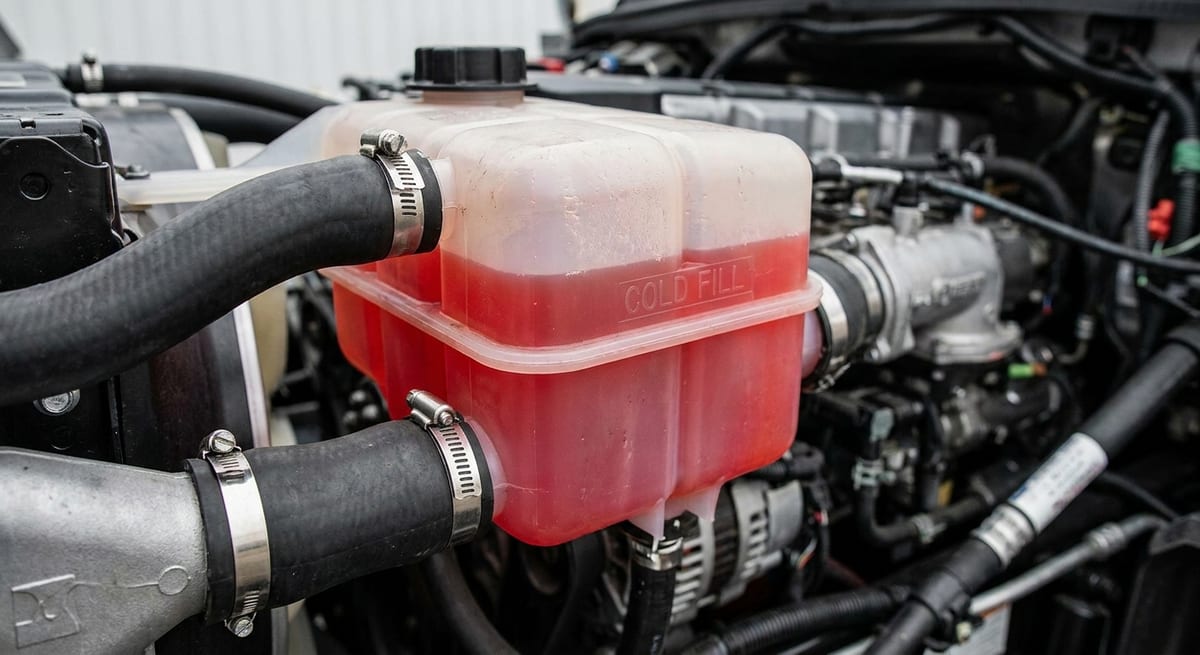
Maintain Proper Coolant Levels
Low coolant levels can quickly lead to overheating. Check coolant levels regularly and follow the manufacturer’s recommended maintenance schedule.
Using the correct coolant type is also important. Heavy-duty engines require coolant that meets the specifications recommended by the engine manufacturer.
Incorrect coolant or poor maintenance can contribute to corrosion and cooling system damage.
Inspect Hoses, Clamps, and Connections
Radiator problems are not always caused by the radiator itself.
During inspections, check:
- Radiator hoses.
- Hose clamps.
- Cooling lines.
- Seals and connections.
A small hose failure can create coolant loss and overheating problems if it is ignored.
Monitor Temperature Changes
Drivers know their trucks better than anyone.
Pay attention to changes in normal operating temperature.
Warning signs include:
- The temperature gauge running higher than usual.
- Overheating during loads that were previously normal.
- Cooling performance changing between routes.
Early attention can prevent a minor issue from becoming a major repair.
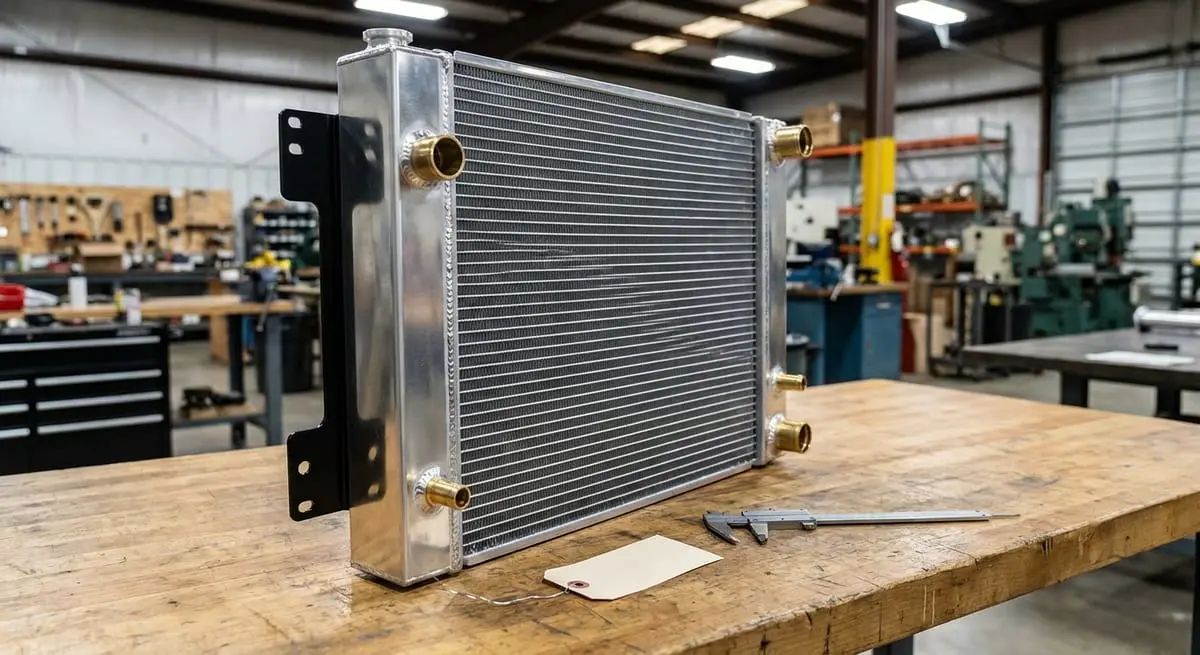
Choosing the Correct Replacement Truck Radiator
If your inspection confirms that replacement is necessary, choosing the correct radiator is critical.
Heavy-duty truck radiators may look similar but can have different specifications depending on:
- Truck make and model.
- Production year.
- Engine configuration.
- Transmission setup.
- Core dimensions.
- Inlet and outlet locations.
- Oil cooler configuration.
Before ordering a replacement, always verify the original OEM part number or cross-reference information.
For example, Quick Fit Parts offers replacement options including Freightliner Radiators, along with solutions for other major truck brands such as Peterbilt, International, Kenworth, and Volvo.
Selecting the correct radiator helps ensure proper fitment, reliable cooling performance, and reduced installation issues.
Frequently Asked Questions
Can I repair a leaking truck radiator myself?
Basic inspections such as checking coolant levels, looking for leaks, and tightening loose connections can often be done by truck owners.
However, repairing radiator cores, tanks, or structural damage usually requires professional equipment and experience. The correct repair depends on the radiator design and the extent of the damage.
Is It Better to Repair or Replace a Heavy-Duty Truck Radiator?
Minor problems may be repairable, but replacement is often the better option when the radiator has severe corrosion, repeated leaks, cracked tanks, or major internal damage.
The best choice depends on the radiator’s condition, repair cost, and how reliable the truck needs to be.
Why Does My Truck Radiator Keep Leaking?
Repeated radiator leaks can be caused by corrosion, aging materials, excessive pressure, or previous repairs that did not address the underlying problem.
If leaks continue appearing in different areas, the radiator may have reached the end of its service life.
Can a Clogged Truck Radiator Be Cleaned?
Some minor blockages may be removed through professional cleaning procedures.
However, severe internal restrictions caused by corrosion or heavy buildup may not be repairable. In these cases, replacement may provide a more reliable long-term solution.
How Do I Know Which Truck Radiator Fits My Vehicle?
The correct radiator depends on your truck’s make, model, year, engine configuration, and original specifications.
Before ordering, verify the OEM number, core dimensions, connection locations, and any additional cooling features required for your application.
Final Thoughts
A truck radiator problem does not always mean immediate replacement is required. The right solution starts with accurate diagnosis.
Minor issues such as loose connections, damaged hoses, or small airflow restrictions can often be corrected. However, severe corrosion, repeated leaks, and structural damage usually mean replacement is the more reliable option.
Regular maintenance and early inspections can help prevent overheating, reduce downtime, and extend the life of your cooling system.
When it is time to replace your radiator, always confirm the correct specifications before ordering to ensure proper fitment and dependable performance for your truck.
[…] you are dealing with a radiator problem, the guide on How to Repair a Truck Radiator can help you understand situations in which inspection or repair may be considered before […]